

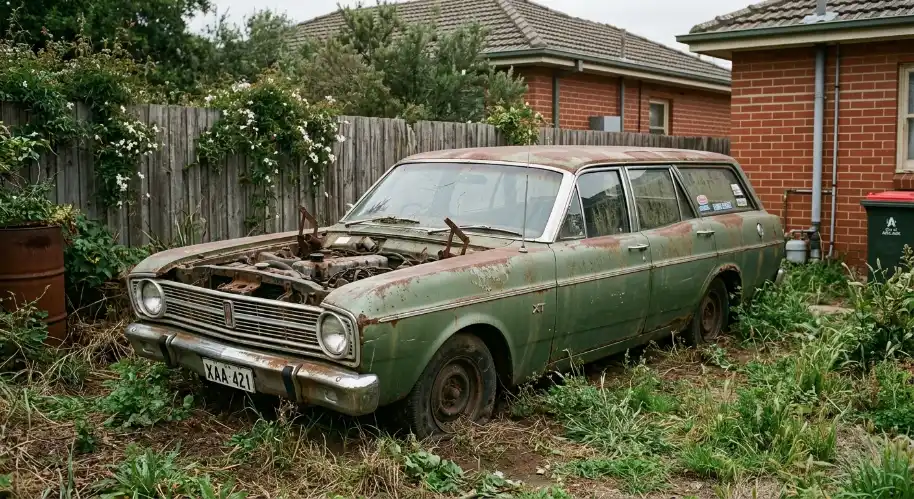
David had tried to set off for months, but he had been procrastinating. In the side yard, a rusty old Ford wagon with its engine seized sat with grass growing up around the tires. Each time he was considering calling a wrecker, he inevitably found himself asking himself the same question: how would they know a number? Was he about to be ripped off for a car that he’d owned for 15 years?
The uncertainty is more prevalent than many may think. Spurred by news stories of their parents’ vehicles being sent to the junkyard for no apparent reason, a second generation of Adelaide car owners are asking, “Why am I paying for the wreck of a car that doesn’t run?” It is common to see cars being picked up by would-be car wreckers every week in Adelaide, but usually there is no idea as to why, what happens, and whether it is justifiable that a car that does not run is covered in a price tag. If you ever wondered anything like what David did, here’s how car valuation really works, and what you can do so you don’t end up losing out on your wallet.
Making Sense of How Car Valuation Works
The thought among most is that there is a relatively straightforward rule for a car’s worth: the newer the car, the more worth it has; the older the car, the less. The wreckers’ formula may actually take into account multiple factors and isn’t something they publicize. This is one reason why many Australians feel uncomfortable signing the contracts.
Knowing the process doesn’t just tame curiosity; it also puts you in a better position to negotiate and recognise a fair offer when you find it. Let’s see what goes into that wrecker’s number.
Factor 1: Weight and Scrap Metal Value
A car is, at the lowest level, an immense piece of metal which has a market value. The inside of your car is weighed, and the value is calculated based on the current scrap metal market price, depending on what the prices on commodity markets are at the time.
Larger utes, four-wheel drives, and other heavier-grade cars such as larger sedans will generally attract a higher value as there is more raw material in them to be salvaged. This is one of the easiest components of the equation for wrecked car value, but is not clearly described to car owners.
Factor 2: Make, Model, and Parts Demand
It isn’t only the metal a wrecker will be interested in; there are certain components that may still have some value for resale. A car isn’t melted down; rather, components are removed and sold to mechanics, panel shops, and other consumers that require parts on an individual basis.
Popular makes and models that have parts a lot of people want, such as Toyota, Holden, or Ford, generally have higher prices, as components are easily resold. Common cars with parts that are commonly sought out can push a car’s value higher than cars that aren’t popular or common.
There are a number of things wreckers generally look for when assessing parts’ worth:
- Engine and transmission condition, even in a non running car
- Undamaged doors, panels, and glass
- Working electrical and wiring systems, sensors
- Tires, rims, and battery condition
- Catalytic converter resale value, which is high because of the precious metal found in the unit
Factor 3: Overall Condition and Vehicle Age
Condition matters more than most owners realize, even for a car headed to the wreckers rather than a dealership. An old car with parts missing, or weathered and rusting without major parts, will generally have less value than an old car that’s mechanically sound.
Age plays a role too, though not always the way people assume. An older model that still has prized, popular parts may be worth more than a slightly newer version with common parts that has a lot of damage. This is the real reason why getting a direct car valuation Adelaide quote matters, as compared to a mere approximation based on car age.
Factor 4: Location and Removal Costs
Your vehicle’s location has an impact on what a wrecker can provide too. Removal is cheap, easy, and quick for the company if your car is easy to access on the driveway or road, with room to remove the vehicle. If it’s in the backyard, behind other cars, or somewhere hard to reach, the cost of the tow will go up, and this can be factored into your final offer.
This is worth keeping in mind if you’re comparing quotes from different providers. A company that charges a little less but promises free, quick pickup may actually put more money in your pocket once you account for towing fees elsewhere.
Factor 5: Current Market Demand
Prices for scrap metal fluctuate just like all other commodities on the market, both locally and globally. Wreckers change their offers according to how much they can get for parts and metal, which means the same car could fetch a different price depending on when you call.
This is one of the lesser-known parts of the entire process, and it’s one reason it’s always better to get a fresh quote rather than relying on one from a few months ago.
David’s Story: Getting a Fair Deal
Back to David and his old Ford wagon. After putting it off for months, he finally called a car wrecker in Adelaide for a quote, expecting a lowball offer given how rough the car looked. Instead, the team asked a few quick questions: the make, the model, whether it was still running, how many years he’d owned it, and its approximate condition.
Within minutes, he had a number that reflected the car’s parts value and scrap weight, not just its sorry appearance sitting in the yard. What surprised him most was the transparency; they took the time to explain the approximate manner in which the figure had been determined rather than simply handing him a flat number and expecting him to accept it.
The car was collected the next morning, free of charge, and David walked away with cash in hand, wondering why he’d waited so long. He isn’t alone in Adelaide when it comes to missing out on cash for cars Adelaide residents are owed, simply because the process felt confusing or opaque.
How to Get the Best Value for Your Car
When taking your vehicle to the wreckers, a little preparation can go a long way toward peace of mind. As a general rule:
- Obtain several price estimates so you can compare offers and spot anything unusually low.
- Be upfront about whether your car is running or not, and disclose damage or missing parts so your quote is accurate from the start.
- Don’t accept a price without asking how it was determined.
- Look for free towing, as this can have a real impact on your actual payout.
- Remove personal belongings and aftermarket items that may hold separate value.
These steps won’t take long, but they can be the deciding factor between an average offer and one that truly reflects your car’s worth.
Frequently Asked Questions
How do wreckers calculate scrap car value?
Wreckers typically combine scrap metal weight, resale value of usable parts, vehicle condition, and current market demand to arrive at a final offer.
Does my car need to be running to get a valuation?
No. Most car wreckers in Adelaide value vehicles whether they run or not, since parts and scrap metal still hold worth even in non-running cars.
Why do quotes vary between different wreckers?
Pricing can differ based on each company’s current parts demand, scrap metal rates, and removal costs, so it’s worth comparing a couple of quotes.
Will I get more money for a popular car model?
Often, yes. Cars with high parts demand, like common Toyota, Holden, or Ford models, tend to fetch better prices due to easier resale of components.
Is the valuation free?
Reputable car wreckers in Adelaide offer free, no-obligation quotes, so you can find out your car’s worth before committing to anything.
_______________________________________________________________________
If your car has been sitting idle and you’re unsure what it’s really worth, don’t leave money on the table guessing. Get a free, transparent car valuation from Adelaide’s trusted wreckers today and turn your old vehicle into cash, fast and fair.